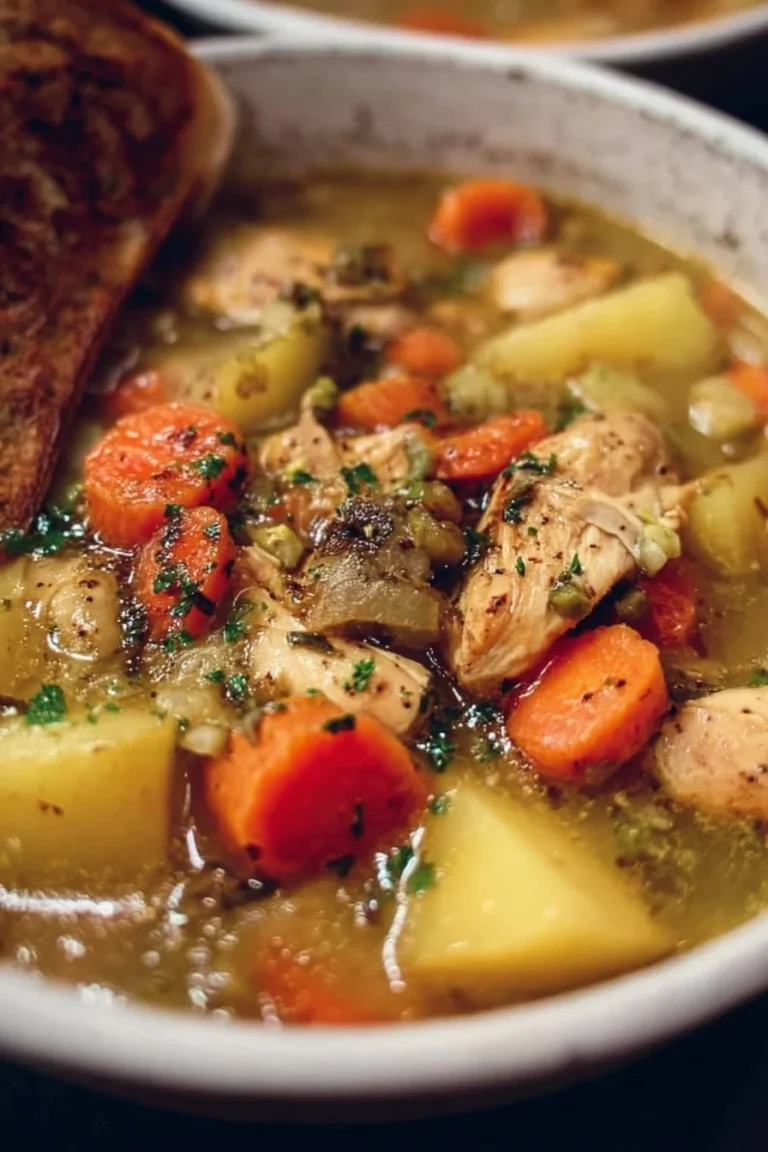
Spicy Korean Beef Soup Yukgaejang | Cozy Comfort Dinner
The secret to yukgaejang's deep red broth is simmering tough beef brisket low and slow until it shreds apart with a fork, then building the spice with gochugaru and garlic until the pot turns fragrant and rust-colored.
Shredded beef, bean sprouts, and scallions swim in that broth, and the flavor only gets better by the next day, so make a full pot and keep bowls ready in the fridge.
| Prep | Cook | Total | Servings | Difficulty |
|---|---|---|---|---|
| 20 min | 1 h 30 min | 1 h 50 min | 6 servings | Medium |
The Key Step
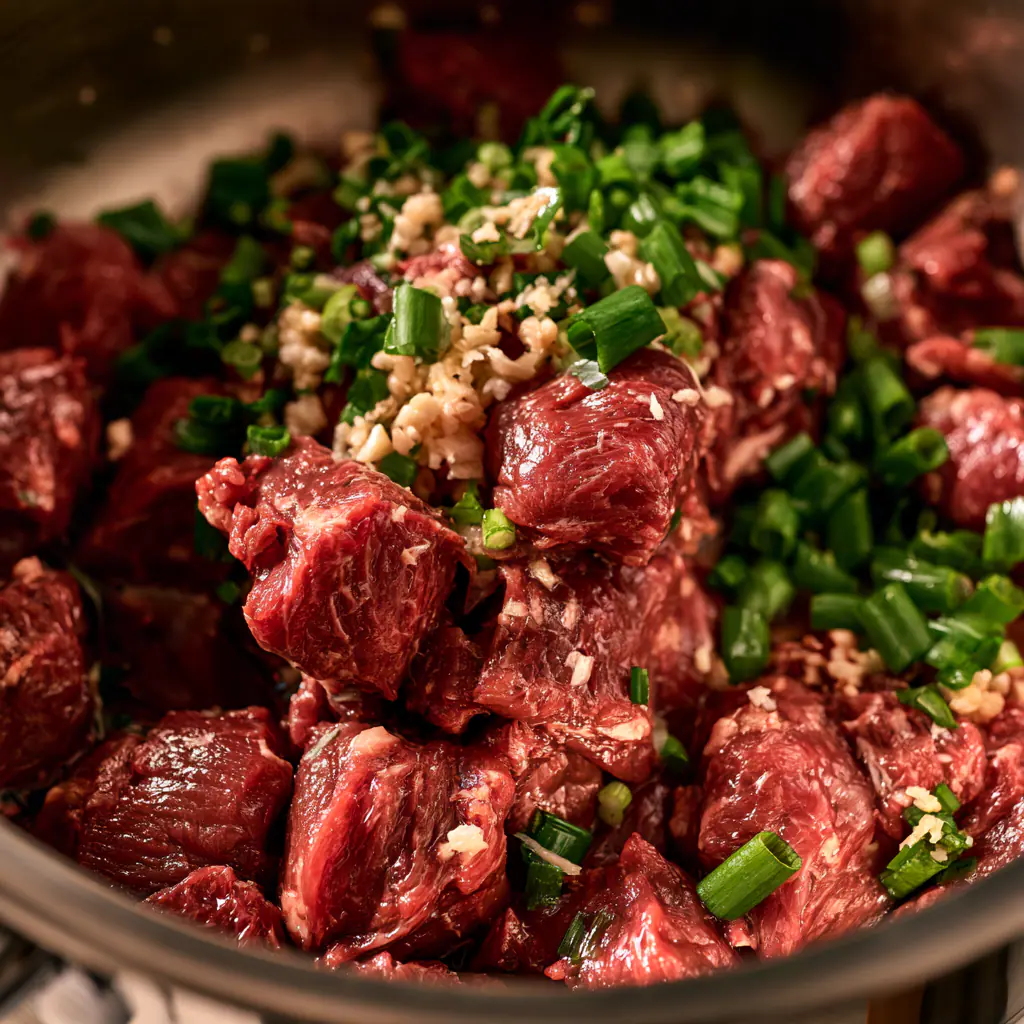
Yukgaejang starts with a long simmer, not a quick sear. Drop the brisket into cold water with onion and garlic, bring it to a boil, then skim off the gray foam that rises in the first 10 minutes. Lower the heat so the surface barely trembles and let it cook for 60 to 90 minutes. You'll know it's ready when a fork slides into the meat with no resistance and pulls apart into loose strands. Save the cooking liquid; it becomes the broth base, so don't drain it down the sink. Shred the beef against the grain while it's still warm, since it tears into thinner, more tender pieces than once it cools completely.
Ingredients for Yukgaejang
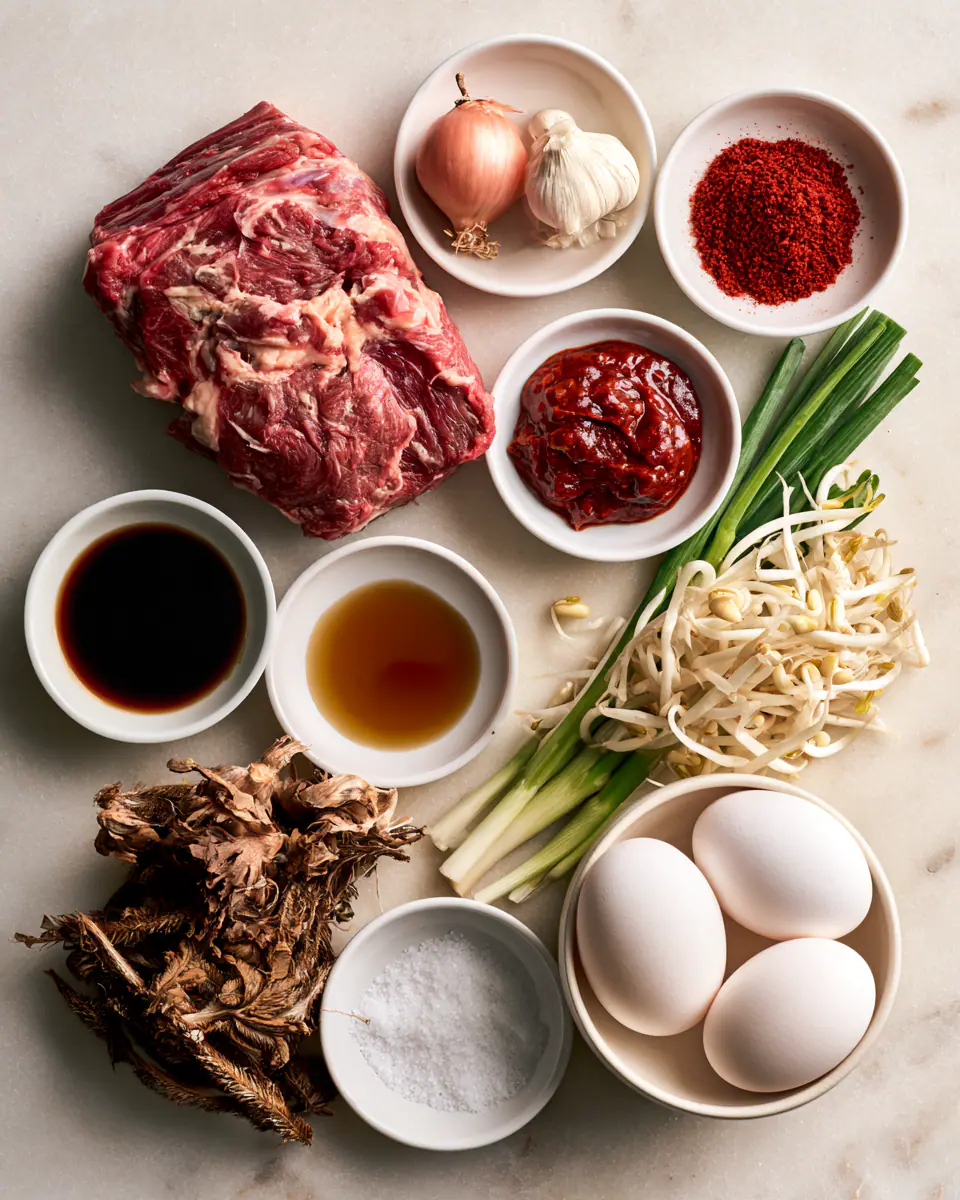
- Beef brisket: gives the broth its body and shreds into tender strands after simmering; beef shank works too and simmers just as well.
- Gochugaru (Korean red pepper flakes): colors the broth deep red and brings a slow heat without bitterness; smoked paprika mixed with a pinch of cayenne gets you close in a pinch.
- Garlic: minced and stirred into the broth for sharpness that balances the chile; use garlic powder if fresh cloves aren't on hand.
- Scallions: cut into long pieces, they soften but keep a bit of bite; leeks sliced thin are a reasonable stand-in.
- Mung bean sprouts: add crunch and soak up the spicy broth; soybean sprouts are the traditional alternative.
- Fernbrake (gosari): dried and soaked, it adds an earthy, slightly chewy texture; dried shiitake mushrooms, rehydrated, bring a similar depth.
- Soy sauce: seasons the broth with salt and umami; coconut aminos works for a milder, slightly sweeter version.
- Eggs: beaten and drizzled in at the end for silky ribbons through the soup.
Exact amounts for all of these are listed in the recipe card below.
How We Make Yukgaejang
- Simmer the beef. Cover the brisket with water, add onion and garlic, and simmer for 60 to 90 minutes until the meat shreds easily with a fork.
- Build the spice base. While the beef cooks, mix gochugaru, minced garlic, soy sauce, and sesame oil into a thick paste that turns deep orange-red when stirred.
- Combine and season. Shred the cooled beef, return it to the strained broth, stir in the spice paste, then add scallions and bean sprouts. Simmer another 15 to 20 minutes until the scallions soften and the broth smells sharp and smoky.
- Finish with egg. Drizzle the beaten eggs into the simmering soup in a thin stream, stirring once, so they set into loose ribbons rather than clumps. Taste and adjust salt before serving.
What Goes With It
Serve yukgaejang with a bowl of steamed rice on the side to soak up the broth. A side of Homemade Korean Fermented Cabbage Kimchi adds crunch and tang, while Korean Veggie Fried Rice (One-Pan) rounds out a bigger spread. For a milder contrast, Easy Korean Ground Beef Bowl makes a good second main, and South Korean Croffles work well as a sweet finish after the heat of the soup.
Leftovers
Store yukgaejang in the fridge for up to 4 days; the broth deepens overnight as the spices settle into the beef. Freeze portions for up to 3 months in airtight containers, leaving the eggs out before freezing since they turn rubbery when reheated. Thaw overnight in the fridge, then reheat gently on the stove over medium-low heat for 8 to 10 minutes, stirring occasionally, until the broth bubbles again.
Yukgaejang: Your Questions
Why does my yukgaejang taste flat instead of spicy?
Gochugaru loses heat if it's old or stored in a warm spot, so check that yours smells sharp and bright red before using it. Toasting the spice paste briefly in the hot broth, rather than stirring it in cold, also brings out more of its heat.
Can I make yukgaejang without fernbrake?
Fernbrake is traditional, but dried shiitake mushrooms, soaked and sliced, give a similar chewy texture and earthy flavor. Some cooks skip it entirely and add extra bean sprouts instead, which still gives the soup good texture.
Yukgaejang (Spicy Korean Beef Soup)
Ingredients
Method
- Simmer the brisket: Place the beef brisket in a large pot with water, onion, and half the garlic. Bring to a boil, then skim off the gray foam that rises for the first 10 minutes.
- Lower the heat: Reduce to a gentle simmer where the surface barely trembles. Cook for 60 to 90 minutes, until a fork slides into the meat with no resistance.
- Shred the beef: Remove the brisket and let it cool slightly, then shred it against the grain into thin strands while still warm. Set the shredded beef aside and strain the broth to remove the onion and garlic.
- Make the spice paste: In a bowl, mix gochugaru, remaining garlic, gochujang, soy sauce, and 2 tablespoons sesame oil into a thick, deep red paste.
- Prepare the fernbrake: If using dried fernbrake, drain it well and cut into 2-inch pieces. If substituting shiitake, slice the soaked mushrooms into thin strips.
- Return beef to broth: Pour the strained broth back into the pot and add the shredded beef. Bring back to a simmer over medium heat.
- Add the spice paste: Stir the spice paste into the simmering broth until it dissolves and the liquid turns a rich orange-red color. Let it simmer for 5 minutes to cook off the raw chile smell.
- Add vegetables: Stir in the scallions, bean sprouts, and fernbrake (or shiitake). Simmer for 15 to 20 minutes, until the scallions soften and the sprouts turn translucent at the edges.
- Season the soup: Taste the broth and add salt as needed, along with the remaining tablespoon of sesame oil for aroma.
- Add the eggs: Drizzle the beaten eggs into the simmering soup in a thin stream, stirring once gently, so they set into loose ribbons instead of clumps.
- Rest and serve: Let the soup sit off the heat for 2 minutes so the flavors settle, then ladle into bowls alongside steamed rice.
More to Try
- Korean Style Beef Ribs | Cozy Weeknight Dinner: a braised beef rib dinner with the same deep, savory profile.
- Cozy Korean Meatball Bowl: tender meatballs in a sweet-savory glaze over rice.
- Delicious Korean Ground Beef Bowl: a quick weeknight bowl built on seasoned ground beef.
- Easy Korean Veggie Fried Rice: a one-pan side packed with vegetables and sesame oil.